
Updated June 2026.
“I always wear a hat outside to protect my healing scar.” – Karen, Headway Thames Valley client.
Most people are happy to see the sun. But for many people living with a brain injury, hot weather can be physically and mentally draining, turning ordinary tasks into a real effort and making existing symptoms harder to manage.
Understanding why it happens is the first step, and there are practical strategies that can help manage the heat and get through summer and heatwaves more comfortably.
Brain injury and hot weather: why it feels harder
A brain injury can sometimes cause problems with temperature regulation.
It’s like the body’s thermostat is compromised, so the signals the brain would normally send to the body to help cool it down don’t work as well. This makes it harder for survivors to control their body temperature.
They may overheat faster than other people, feel too hot or too cold or fluctuate between the two. The body is working harder than usual just to keep things steady.
Other symptoms, such as fatigue and cognitive problems may be exacerbated in hot weather.
TBI and heat sensitivity: what it can look like
A traumatic brain injury (TBI) or another form of acquired brain injury can make existing symptoms more pronounced in hot weather. People often report:
- Increased fatigue, feeling wiped out far more quickly than expected
- Difficulty concentrating or thinking clearly
- Headaches, which bright light can worsen
- Problems with balance
- Visual disturbances
- Feeling confused or disoriented
Marie Finch, our Neuro Rehab Lead who runs the Living with Brain Injury courses and Community Support Groups, explains:
“Our clients often report more than just discomfort in hot weather. They may feel confused, lack energy and struggle with balance and visual problems.
It is more important than ever to set reminders to drink water regularly and not wait until you are thirsty. Being thirsty is a sign that you are already dehydrated.”

Marie is part of the Headway Thames Valley Neuro-Rehab Service and supports our clients with their communication needs
We’re proud to have a full multidisciplinary team of specialists supporting our clients every day. Meet the Headway Thames Valley team.
Brain injury and temperature regulation: a practical guide for hot weather
Here are practical steps that can help.
-
Keep hydrated:
Setting hourly reminders to drink water throughout the day is one of the most effective strategies. Thirst is a late signal; by the time it arrives, the body may already be mildly dehydrated. Keeping a water bottle to hand helps. Try to avoid drinking too much alcohol and caffeine as these increase dehydration
-
Avoid going out at the hottest time of the day:
The sun is at its hottest between 11 am and 3 pm. Planning outdoor activities for earlier mornings or later afternoons tends to be more manageable. If being out midday is unavoidable, find shade quickly and plan rest stops.
-
Use cooling aids:
Electric fans, ice packs, cool gel pillows and wet cloths are your best friends! A cool flannel on the back of the neck or wrists can bring body temperature down quickly. As with hydration, these work best when used early, before overheating sets in.
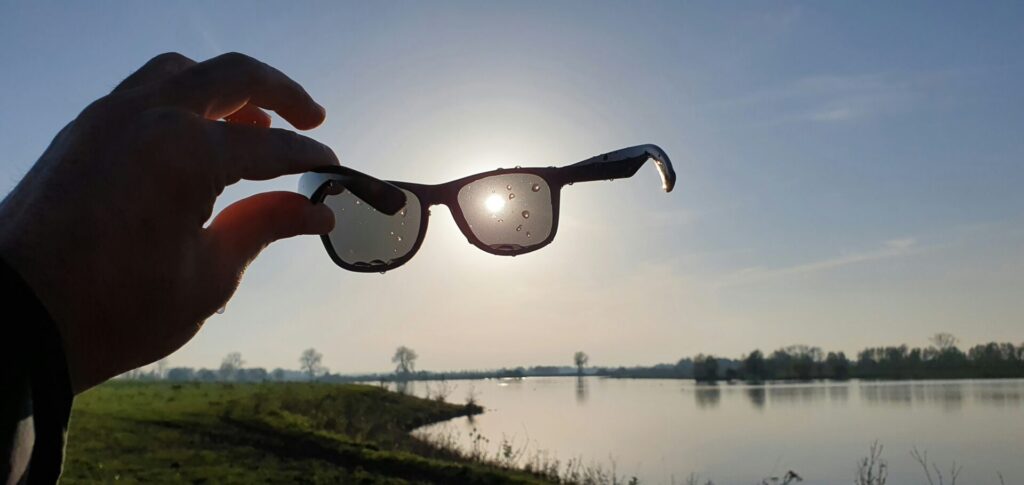
Dark sunglasses can help!
-
Wear sunglasses:
Light sensitivity and headaches are common after brain injury, and bright sunshine can make both worse. Good-quality dark sunglasses can ease symptoms of light sensitivity considerably.
-
Look after your skin:
Skin can be very vulnerable during hot weather. Make sure to wear sunscreen with an SPF of at least 30.
-
Check your medication:
Some medications make the skin more sensitive or cause temperature regulation issues. Check the possible side effects in the information leaflet and speak to your doctor about the potential consequences of your medication. And don’t forget to store them at the recommended temperature!
-
Wear a hat:
Particularly for anyone with a healing scar or surgical site after brain injury, a hat provides simple, easy protection in hot weather.
Quick reference: hot weather safety checklist after brain injury
- Dehydration: Drink water every hour; don’t wait for thirst.
- Overheating: Avoid 11am–3pm sun; use fans and ice packs.
- Light sensitivity: Wear dark sunglasses and a hat outdoors.
- Medication interaction: Check leaflets; speak to a GP.
- Skin sensitivity: SPF 30+ daily, especially when on medication.
Frequently asked questions about hot weather and brain injury
Why does hot weather feel worse after a brain injury?
After a brain injury, the brain’s temperature regulation system can be disrupted. Hot weather puts extra demand on a system that is already working harder than usual, which can amplify fatigue, difficulty concentrating and other symptoms.
Is heat sensitivity after TBI permanent?
It varies. Some people find it improves over time; others manage it as an ongoing part of life. Recognising personal patterns and having strategies in place tends to help considerably.
What helps with TBI and heat sensitivity?
Hydration before thirst, avoiding peak sun hours, cooling aids (fans, ice packs, cool cloths), dark sunglasses, and adjusting daily routines to reduce cognitive load in hot conditions. If medications may be contributing, a GP can advise.
What should someone do if they feel unwell in the heat?
Moving to a cool place, drinking water and resting are the first steps. If symptoms are severe or don’t improve, such as confusion, loss of consciousness or chest pain, seeking medical help promptly is important.
Support with life after brain injury
Hot weather is just one of the challenges that can feel harder after a brain injury. At Headway Thames Valley, we support adults across South Oxfordshire and Berkshire, including Reading and Henley-on-Thames, with a range of specialist services.
Our Living With Brain Injury courses cover the practical and emotional aspects of life after injury, including managing physical symptoms and daily challenges. Our Clinical Neuro-Rehab Service offers specialist support from our multidisciplinary team, and our support groups, both in person and online, give people a space to connect with others who understand.
To find out more or make a referral, get in touch or call 01491 411469.
Make sure to check in on each other and look after yourselves. Those with pre-existing health conditions may be particularly vulnerable.
About Us
We are a charity that supports local people helping to improve life after brain injury. We work with adults of all ages, providing help through a range of services and support. Whether it’s at our Centre in Henley-on-Thames, or through our courses and groups, we are dedicated to making a positive impact.
Follow us
Keep up to date with our events and news on our channels: Instagram, LinkedIn or Facebook.